
What is Genius?

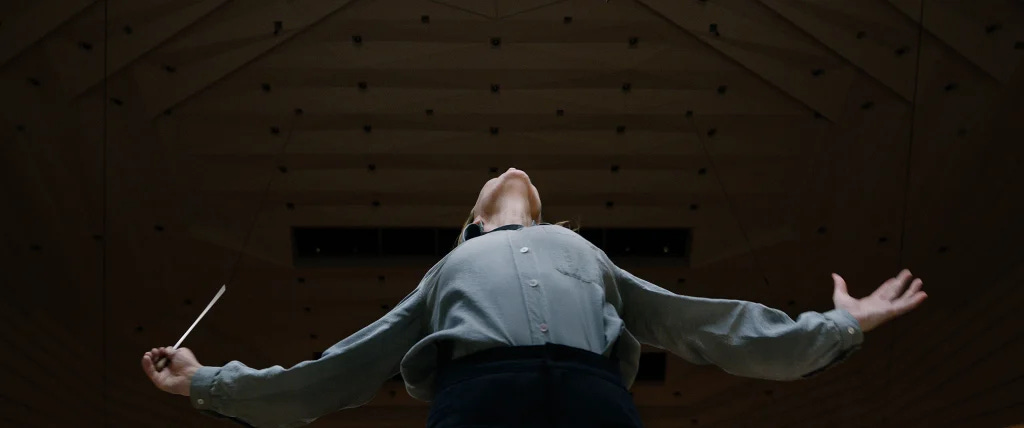
In Todd Field’s revelatory, scabrous, bone-dry comedy Tár, Cate Blanchett plays an imperious conductor luxuriating in all the pleasures and privileges bestowed on those deemed genius in our queasily obsequious and delusional society. An EGOT (Emmy, Grammy, Oscar, Tony) winner, the first woman conductor of the Berlin Philharmonic, a protégé of the legend Leonard Bernstein (Lenny as she calls him), Lydia Tár occupies the rarefied air of globalized, Aspen Ideas Festival conception of a public intellectual. In the opening scene, she flares her nostrils before galloping on stage for a discussion with the New Yorker’s Adam Gopnik (playing himself) and regaling the crowd with her erudition and acerbic (if slightly flailing, grasping) wit. The world treats Tár as a genius and she in turn is quite the obnoxious asshole, and also a groomer and perhaps an abuser. By the end of the film, she will be profoundly humbled, conducting (without revealing the best final shot of the year) the literal nightmare scenario of an NPR set elite. Is she still a genius? Is genius situational and environmental? What’s left when you strip that away? Anything? And if not, what was there to begin with?
In Linda Nochlin’s seminal 1971 Why There Have Been No Great Women Artists, she articulates the patriarchal, theatrical, narrative structure and performance of genius. The apocryphal tales of child prodigies—Michelangelo sketched a room while his teacher stepped out and upon his return remarked “I have nothing more to teach this boy”; Picasso completing the highly complicated, multi-week entry exam into an art academy in mere hours; the institutional support and nurturing; the lofty, celestial descriptions of genius—its star washed, thunderbolt quality; the mercurial personality of the genius—his dark storm of moods. The essay’s conclusion—that genius is gendered and exclusionary, rendering the term so problematic as to be useless—reverberated in the art world in the decades since its publication. It would be laughable to discuss any contemporary artists with the breathless, cultish, hagiography of the past. Even the most famous artists of the last 30 years—Kara Walker, Damian Hirst, Ai Wewei et al, are discussed in far more measured terms.
This is not the case throughout culture, however. Let’s take two examples who have spectacularly hoisted themselves on their own petards: Kanye West and Elon Musk. For about 15 years Kanye was discussed in the unctuous, trembling nomenclature Nochlin explores in her essay. Take the way Ryan Dombal’s (founder and editor in chief of taste-maker website Pitchfork) ends his review of Kanye’s album Yeezus from 2013: